
Environmental Geochemistry and Health 48, 353 (2026).
Thi Vi Phung, Thuy Ngoc Nguyen, Thanh Dam Nguyen, Dinh Quang Phan, Huu Tuyen Le, Hung Viet Pham & Hong Anh Duong
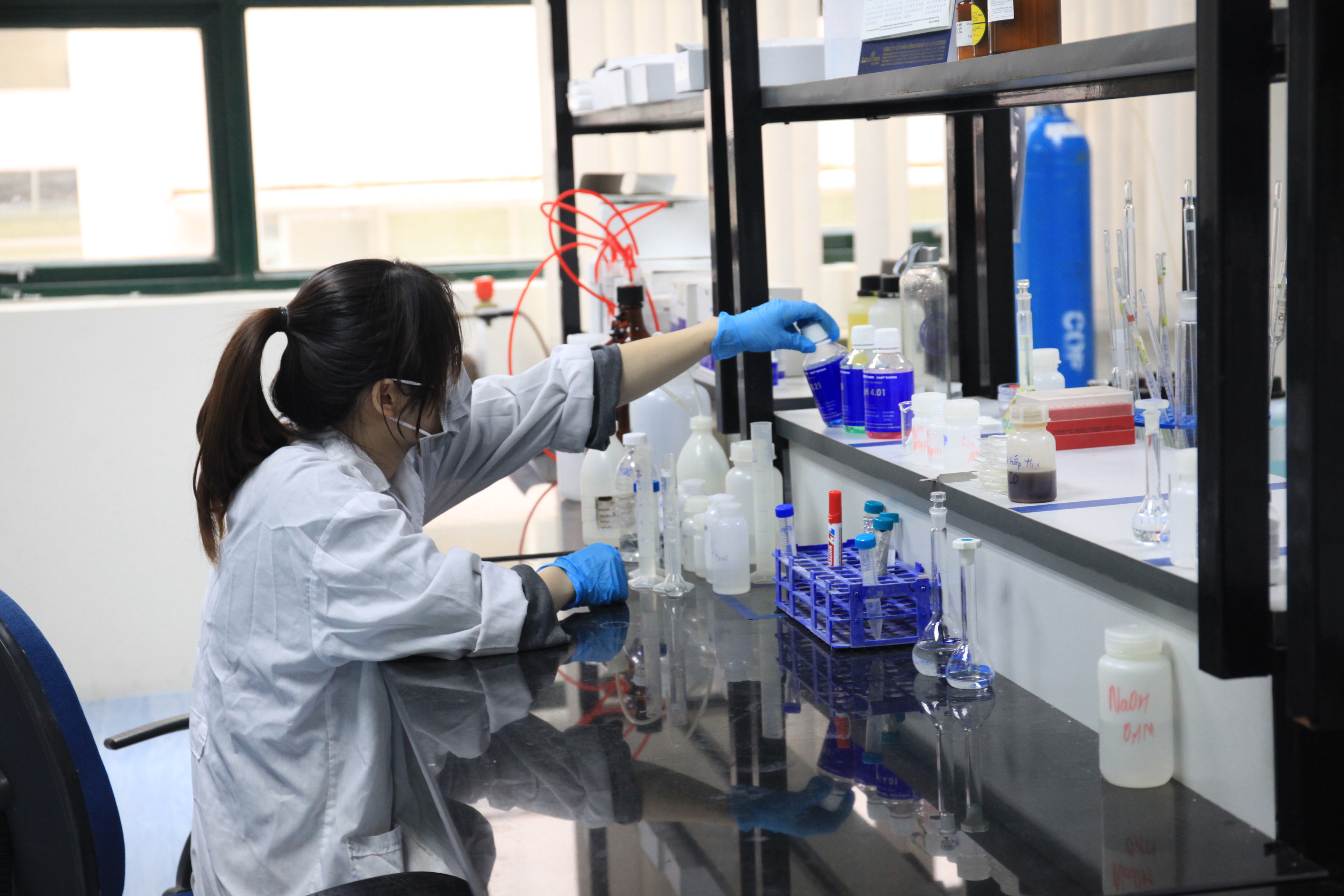
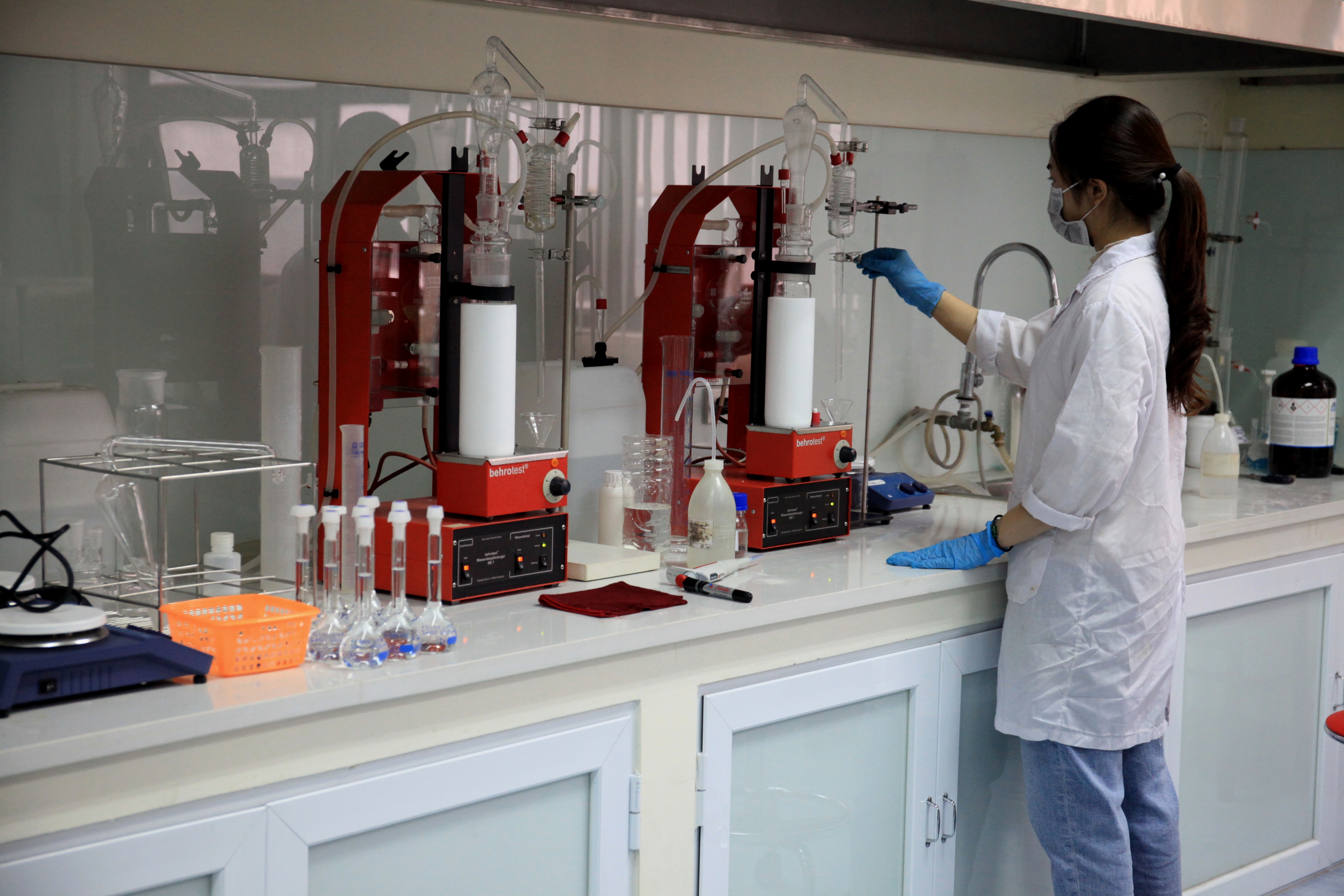
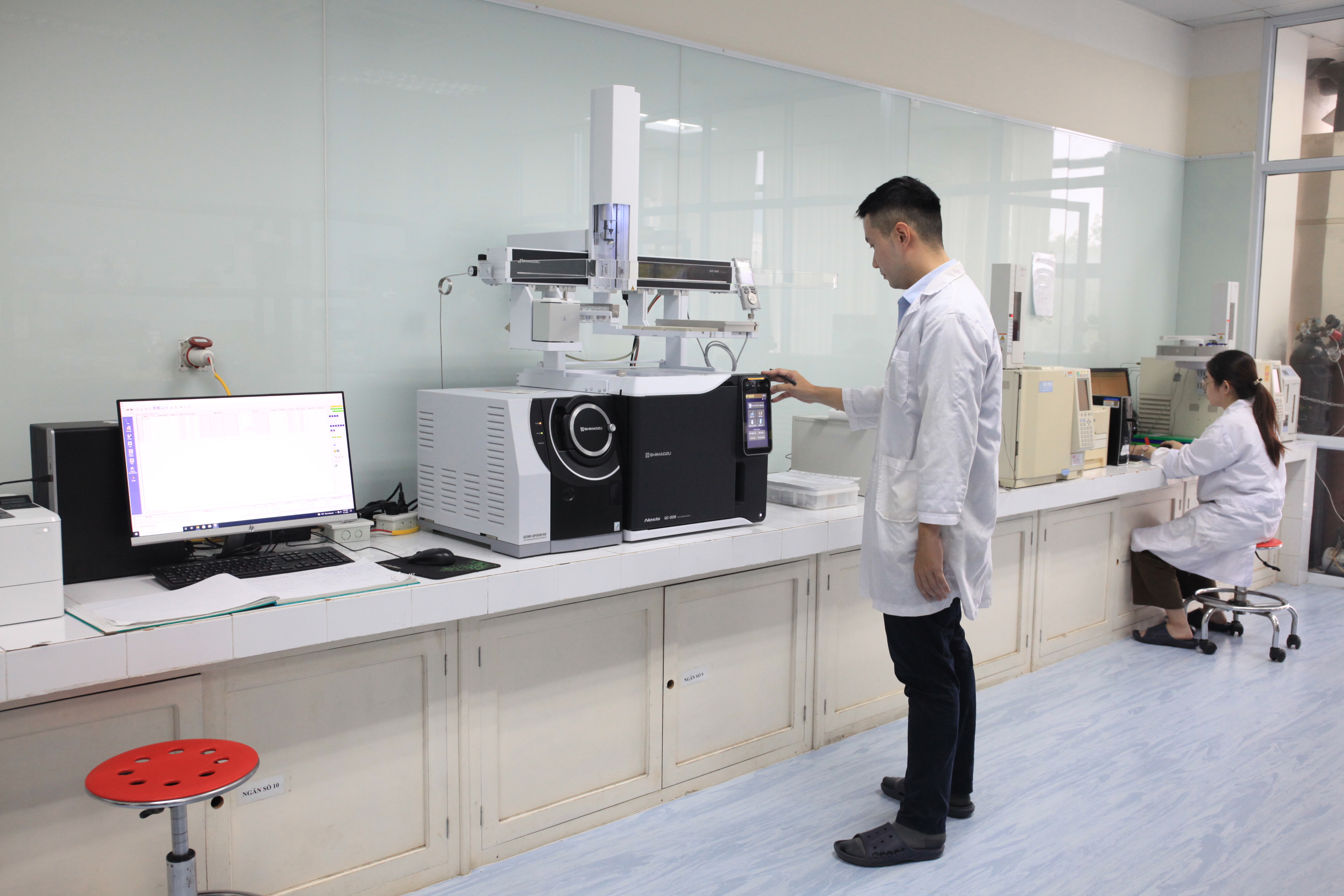
Abstract: Perfluoroalkyl acids (PFAAs) have been increasingly reported in the aquatic environment, but integrated evidence linking their occurrence in surface water and sediment in paper-recycling areas remains limited. This study outlined the levels, spatial and seasonal changes of selected PFAAs in surface water and sediment from Phong Khe, the largest paper-recycling area in Vietnam. Surface water (n = 40) and sediment (n = 25) samples were collected in dry and rainy seasons, extracted using solid-phase extraction (SPE), and analyzed for 12 PFAAs by liquid chromatography–tandem mass spectrometry (LC–MS/MS). Short-chain PFAAs (C6–C8) dominated in surface water, whereas long-chain homologues were more abundant in sediments. Concentrations of PFOS in more than 70% of surface water samples exceeded the European Union environmental quality standard. Total PFAA concentrations in surface water ranged up to 88.4 ng/L, and sediment concentrations ranged up to 6.32 ng/g, with the highest levels in drainage channels receiving paper-recycling effluents. The results showed a spatially consistent decrease in PFAA levels with increasing distance from the discharge sources, in the following order: drainage channels > Ngu Huyen Khe River > Cau River. Principal component analysis (PCA) of the five most frequently detected PFAAs revealed distinct patterns between drainage channels and rivers and indicated seasonal changes in the relative influence of local effluent inputs and riverine dilution. Finally, although ecological risks were generally within acceptable thresholds, some sensitive species, such as Chironomus plumosus, still showed low to moderate risk.
Keywords: PFAAs; Paper-recycling activities; Surface water; Sediment; Ecological risk.
DOI